

-
 Español
-
 Portugues
-
 Pусский
-
 Français
-
 Deutsch
-
 日本語
日本語
-
 한국어
한국어
-
 العربية
-
 Italiano
-
 Nederlands
-
 Ελληνικά
-
 Svenska
-
 Polski
-
 ไทย
ไทย
-
 Türk dili
-
 हिन्दी
-
 Indonesia
-
 Melayu
-
 Tiếng Việt
-
 中文
中文
-
 dansk
dansk
-
 Magyar
-
 қазақ
қазақ
-
 বাংলা
বাংলা
-
 עִברִית
-
 čeština
-
 Soomaali
-
 မြန်မာ
-
 فارسی
فارسی
-
 українська
-
 norsk
norsk
-
 Gaeilge
-
 беларускі
-
 Română
-
 ພາສາລາວ
-
 Filipino
-
 lietuvių
-
 Cymraeg
-
 македонски
-
 Suomalainen
-
 slovenský
-
 o'zbek
-
 اردو
اردو
-
 հայերեն
-
 Igbo
Igbo
-
 български
-
 سنڌي
سنڌي
-
 Shona
Shona
-
 සිංහල
සිංහල
-
 Hrvatski
-
 íslenskur
-
 galego
-
 català
-
 Zulu South Africa
-
 Afrikaans isiXhosa
-
 ಕನ್ನಡ
ಕನ್ನಡ
-
 lëtzebuergesch
-
 Indonésia Sunda
-
basa jawa
-
ગુજરાતી
-
 Кыргызча
-
 тоҷикӣ
-
 Србија
-
 Twi
Twi
-
 Hawaii
-
 Cebu
Cebu
-
 नेपाल
नेपाल
-
 euskara
-
Kurdî
-
 frissi
-
 יידיש
יידיש
-
 latvija
-
 slovenija
-
 kiswahili
-
 ਪੰਜਾਬ
ਪੰਜਾਬ
-
 پښتو
پښتو
-
 საქართველოს
-
 hua moni
-
 bosna
bosna
-
తెలుగు
-
தமிழ்
-
 Kreyòl ayisyen
-
 Eesti
Eesti
-
Corsica
-
Yoruba
-
 Gàidhlig na h-Alba
-
 Samoa
Samoa
-
 Монгол
-
Hausa
-
 Azərbaycan
-
 አማራ
አማራ
-
 Shqipëria
-
 Malagasy
-
मराठी
-
മലയാളം
-
 Malta
Malta
-
 ខ្មែរ
ខ្មែរ
-
 Chicheva
-
 中文(繁体)
-
 ଓଡିଆ
ଓଡିଆ
-
 Setswana
-
 Afrikaans
-
 Aymara
-
 Башҡорт
-
 Türkmenler
-
 ትግሪኛ
ትግሪኛ
-
 Afaan Oromoo
-
 অসমীয়া
-
 Kinyarwanda
-
 Ilocano
-
 Wolof
Wolof
-
 अवधी
अवधी
-
 Oluganda
-
 Bikol
Bikol
-
 Fulɓe
Fulɓe
-
 Kikongo
-
 Sango
Sango
-
 ދިވެހި
-
 Lingala
-
 मैथिली
-
 Tsonga
-
 ꯃꯦꯏ ꯊꯥꯏ꯫
-
 brezhoneg
-
 Furlan
-
 नेवा
नेवा
-
 རྫོང་ཁ
-
 Santali
-
 Аҧсуа
Аҧсуа
-
 Нохчийн
-
 Чӑваш
Чӑваш
-
 Татар
Татар
-
 Batak Karo
-
 دری
دری
-
 Diura
Diura
-
 Fengyu
-
 Eʋegbe
-
 Iban
Iban
-
 Fiji
Fiji
-
 Tonga
Tonga
-
 Inuktitut
-
 Nahuatl
-
 maaya yucatec
-
 Runasimi
-
 guarani
-
 Qafar
Qafar
-
 Acholi
-
 Dinka
Dinka
-
 Luo
Luo
-
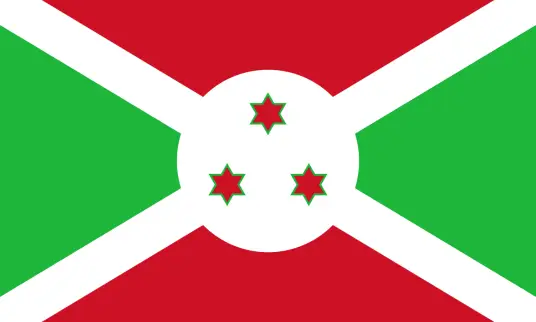 Lundi
Lundi
-
 isiNdebele
-
 Tshivenḓa
-
 Sesotho sa Leboa
-
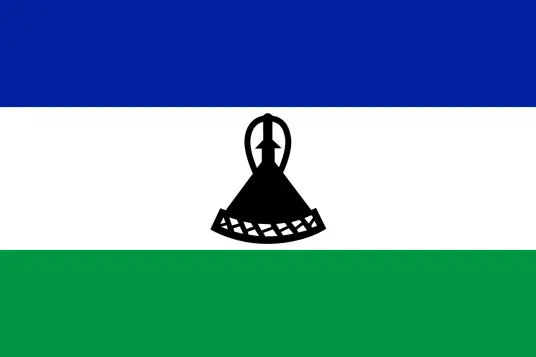 Sesotho sa Borwa
-
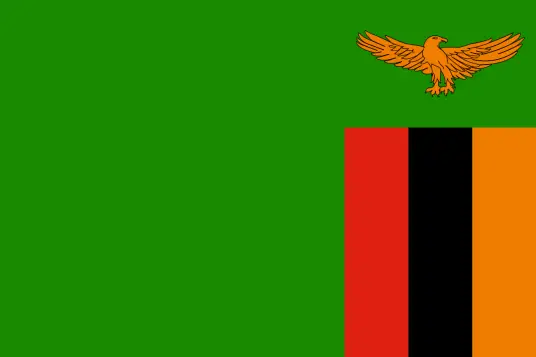 Ndumbe
-
 Papuan Pidgin
-
 Rromani ćhib
-
 Thok Nath



 WhatsApp
 Phone
Phone
Comment
(0)